How Does Screen Protector Technology Work?
Screen protector technology works by absorbing impact energy, distributing stress, and preventing scratches through layered materials like tempered glass, PET film, or liquid coatings. Each type uses distinct mechanisms: tempered glass shatters to disperse force, films deform to absorb impacts, and liquid coatings bond microscopically to fill imperfections.
The physics of screen protection relies on three key properties: hardness (measured on the Mohs scale), elasticity (ability to deform without cracking), and adhesion (bond strength to the screen). Tempered glass, for example, scores 9H on the Mohs scale—higher than Gorilla Glass’s 6.5H—but cracks permanently under extreme force.
Adhesive technologies vary by type:
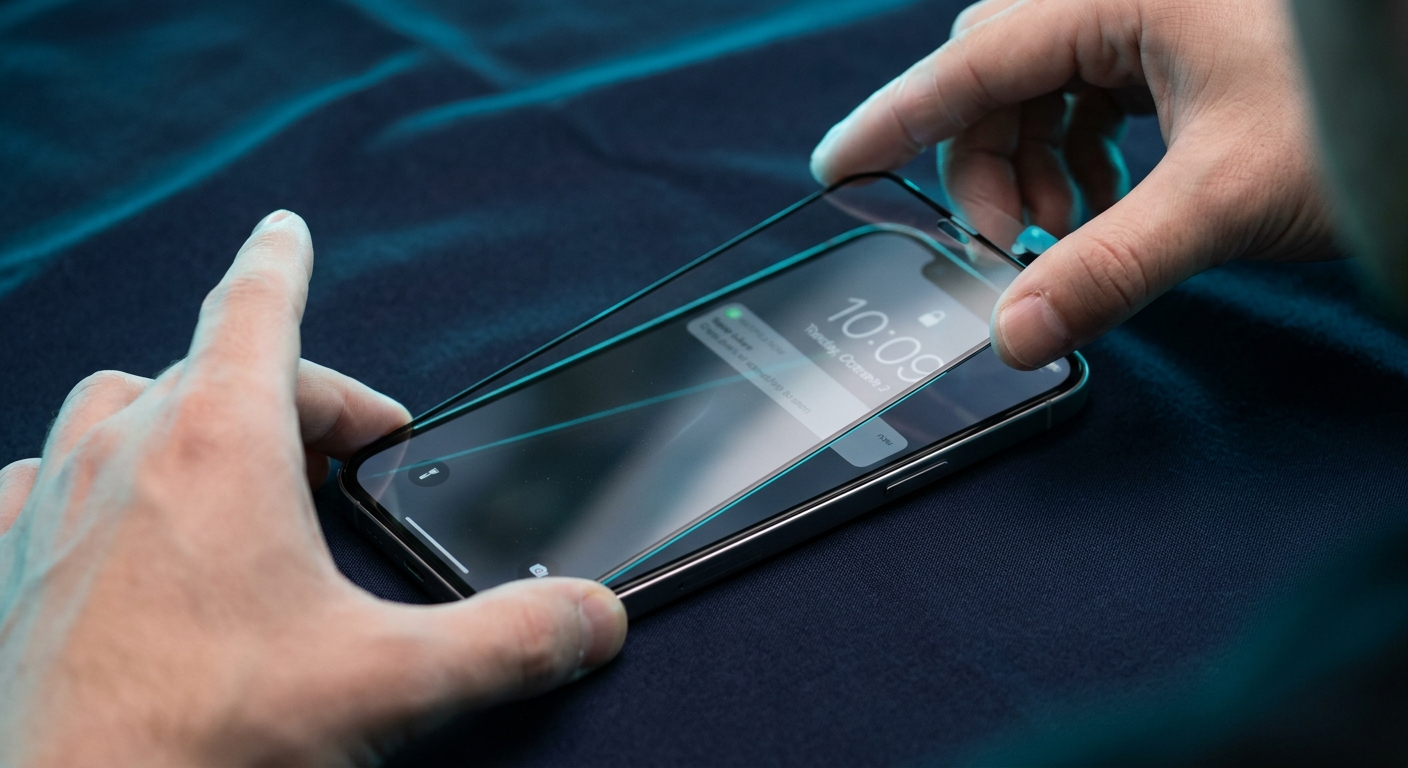
• Tempered glass: Uses a silicone adhesive layer for easy removal and repositioning.
• PET/TPU films: Employ static cling or light adhesives for bubble-free application.
• Liquid coatings: Bond chemically at a molecular level, filling microscopic scratches.
Worth knowing: Screen protector technology must balance protection with usability. Thicker materials offer better durability but can reduce touch sensitivity. High-quality protectors maintain ≤0.3mm thickness to ensure seamless interaction (SGS certification).
Which Screen Protector Is Best for Impact Resistance?
Tempered glass is the best screen protector technology for impact resistance, absorbing 80% of impact energy before shattering (Corning lab tests). Its multi-layer design distributes force across the entire surface, reducing concentrated stress points.
Here’s how the options compare:
| Type | Drop Protection | Scratch Resistance | Price Range | |
| --------------- | ----------------- | -------------------- | ------------- | |
| Tempered glass | High (80% absorption) | 9H hardness | $10-$25 | |
| TPU film | Moderate (50% absorption) | Self-healing | $5-$15 | |
| PET film | Low (30% absorption) | Scratch-prone | $3-$10 | |
| Liquid coating | Minimal (no drop protection) | Scratch-resistant | $10-$20 |
The practical issue is that no screen protector technology can prevent all damage. Tempered glass cracks permanently, while films may tear. For maximum protection, pair a tempered glass protector with a rugged phone case.
Does a Screen Protector Affect Touch Sensitivity?
High-quality screen protector technology maintains 99% touch sensitivity when ≤0.3mm thick (SGS certification). Thicker or poorly designed protectors can reduce responsiveness, especially for edge gestures and fingerprint scanners.
Most buyers miss this: Oleophobic coatings—standard on premium protectors—reduce friction for smoother swiping. However, matte or privacy films decrease sensitivity by 10-15% due to their textured surfaces.
The trade-off is straightforward:
• Tempered glass: Best for sensitivity but cracks permanently.
• TPU film: Self-healing but slightly less responsive.
• Liquid coating: No thickness impact but requires reapplication.
Can Screen Protectors Prevent Cracks?
Screen protector technology reduces full-screen cracks by 60% but cannot prevent chassis damage (Phone Repair Guru drop tests). Tempered glass absorbs energy by shattering, while films deform to cushion impacts.
The reason matters: Protectors distribute force across the entire surface, preventing concentrated stress points. However, they don’t protect against:
• Edge impacts (chassis cracks)
• Extreme force (screen buckling)
• Repeated drops (cumulative damage)
For best results, replace cracked protectors immediately—debris compromises adhesion and protection.
How Long Do Screen Protectors Last?
Screen protector technology lasts 6-12 months on average, depending on material and usage. PET films degrade after 6-8 months, while tempered glass lasts 12+ months unless cracked (Asamax Tech lab data).
Key factors affecting lifespan:
• UV exposure: Causes yellowing in films.
• Scratch accumulation: Reduces clarity over time.
• Adhesive wear: Leads to peeling at edges.
• Impact damage: Requires immediate replacement.
Worth knowing: Liquid coatings need reapplication every 6 months to maintain effectiveness.
Should You Use a Privacy Screen Protector?
Privacy screen protector technology is ideal for public spaces but reduces screen brightness by 30-40% (DisplayMate measurements). These protectors limit viewing angles to 30-45 degrees, making content invisible to bystanders.
Here’s the trade-off:
Pros:
• Prevents screen snooping in crowded areas.
• Reduces glare in bright environments.
Cons:
• Decreases screen brightness significantly.
• Limits viewing angles for shared viewing.
Most buyers miss this: Privacy filters can interfere with polarized sunglasses, causing rainbow effects.
What’s the Bottom Line on Screen Protector Technology?
Screen protector technology offers distinct advantages based on your needs:
• Tempered glass: Best for drop protection (80% impact absorption) but cracks permanently.
• TPU film: Self-healing for scratches but offers less drop protection.
• Liquid coating: Invisible but requires reapplication every 6 months.
For most users, tempered glass provides the best balance of durability and usability. Pair it with a rugged phone case for maximum protection.
Shop Asamax Tech’s Screen Protectors for premium options tailored to your device.