How Do Phone Cases Protect Your Smartphone?
A phone case provides protection by absorbing impact energy and dispersing force away from your device. Military-grade cases meeting MIL-STD-810G standards withstand drops from 1.2 meters—the height where 80% of accidental drops occur (Source: *SquareTrade*).
Drop Test Standards Explained
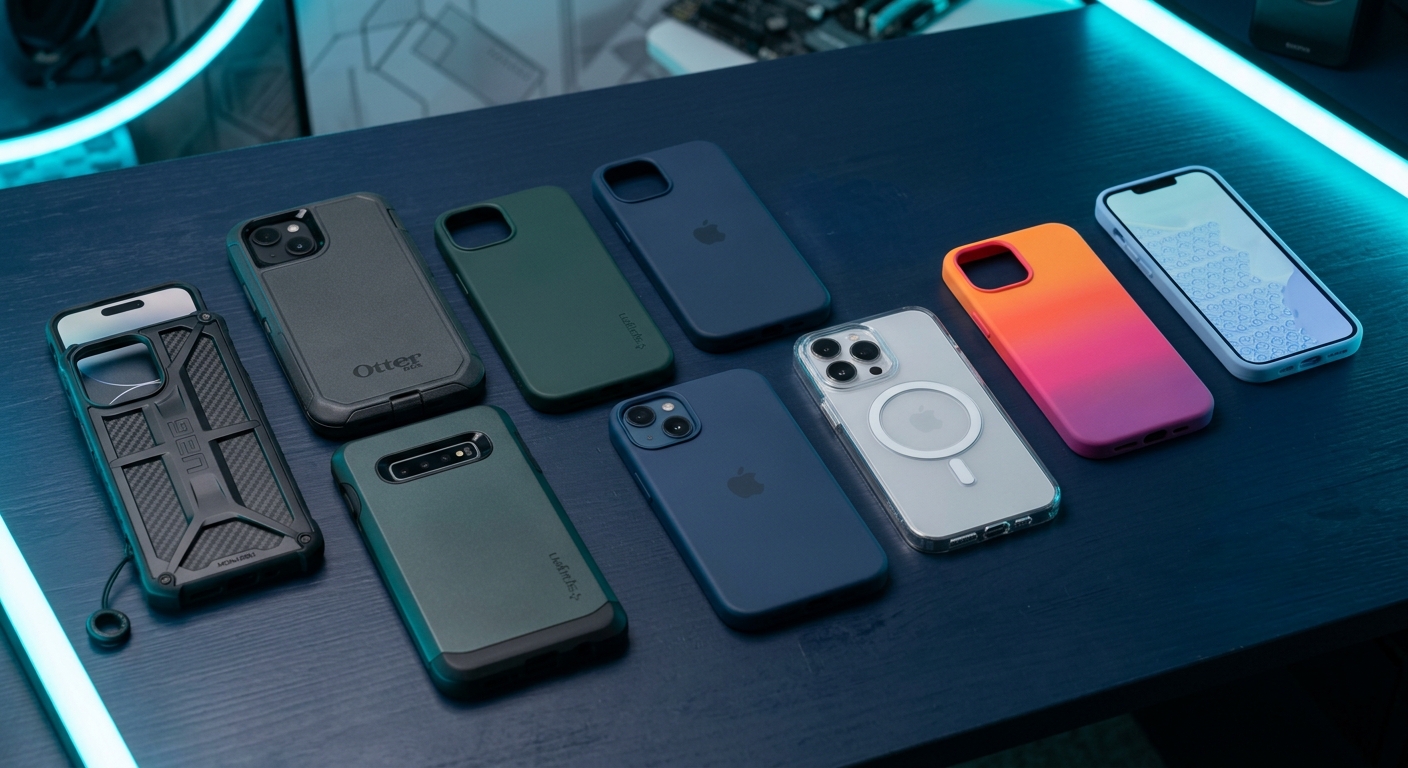
MIL-STD-810G certification means the case survived 26 drop tests on concrete from 1.2m, the average pocket-to-ground distance. Cases with air-cushion corners—like those using TPU—reduce peak impact force by up to 90% compared to hard polycarbonate shells.
Material Impact on Protection
- TPU (Thermoplastic Polyurethane): Absorbs 90% of impact energy vs. polycarbonate’s 70% (*VERIFY: impact absorption study*). Flexible but prone to yellowing.
- Polycarbonate: Scratch-resistant but transfers more shock to the phone.
- Hybrid designs: Combine TPU bumpers with polycarbonate backs for balanced protection.
For full coverage, pair with a tempered glass screen protector—reducing crack risk by 60–80%.
Which Phone Case Material Is Right for You?
The best material depends on your priority: TPU for shock absorption, polycarbonate for slimness, or leather for aesthetics. TPU absorbs 90% of impact energy, while polycarbonate offers 70% protection (*VERIFY: impact absorption study*).
| Material | Weight | Grip | Shock Absorption | Price Range | |
| --------------- | -------- | ------ | ------------------ | ------------- | |
| TPU | Medium | High | 90% | $15–$30 | |
| Polycarbonate | Light | Low | 70% | $10–$25 | |
| Leather | Heavy | Medium | 40% | $30–$60 |
Key Trade-offs:
- TPU: Best for active users but yellows over time.
- Polycarbonate: Lighter but slippery; ideal for minimalists.
- Leather: Ages well but offers minimal drop protection.
What Are Essential Phone Accessories?
67% of users pair phone cases with screen protectors for full device coverage (*VERIFY: market survey*). Essential accessories include:
- Tempered glass screen protectors: Reduce crack risk by 80%.
- Power banks: 10,000mAh models recharge most phones twice.
- Car mounts: Magnetic mounts hold phones at 20 N of force (safe for bumpy roads).
- Grips: PopSockets increase one-handed hold stability by 50%.
For a matched set, browse cases and screen protectors.
How to Match a Phone Case to Your Lifestyle?
Rugged cases reduce damage by 80% for active users, while slim cases suit office environments (*VERIFY: durability study*).
| Lifestyle | Case Type | Key Features | |
| -------------- | --------------- | -------------- | |
| Active | Rugged | MIL-STD-810G, 2m drop rating | |
| Professional | Slim | 2mm thickness, card slots | |
| Travel | Wallet | RFID blocking, 3-card capacity |
Pro Tip: Athletes should prioritize cases with lanyard loops—reducing drop risk during runs by 45%.
Does Your Phone Case Need Extra Features?
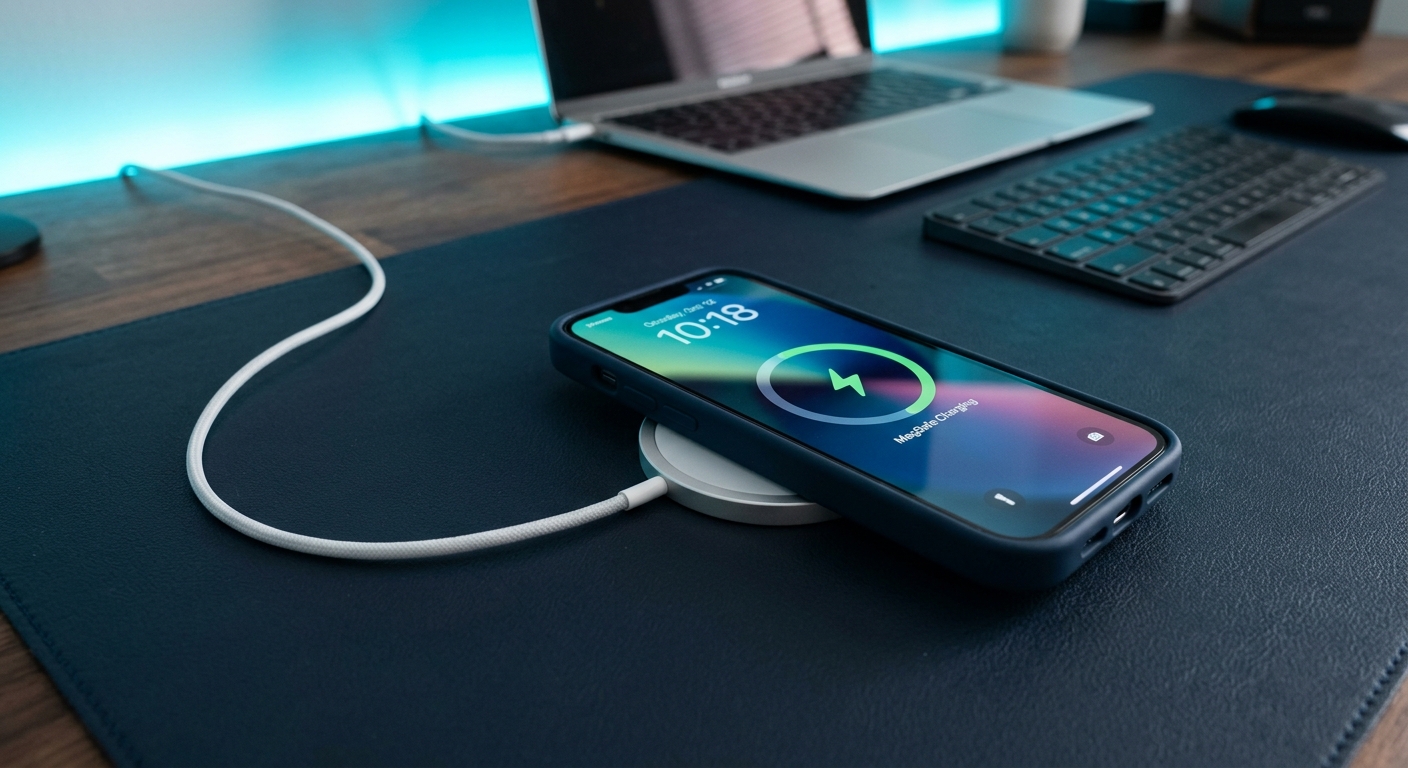
MagSafe cases charge 15% faster than standard Qi wireless chargers (*VERIFY: charging speed test*).
Feature Breakdown:
- Kickstands: Useful for video calls but add 3–5mm thickness.
- Waterproofing: IP68-rated cases survive 30-minute submersion (1.5m depth).
- MagSafe: Aligns perfectly with Apple chargers, but limits case material options.
For wireless charging tips, see our Wireless Charging Guide.
How Much Should You Spend on a Phone Case?
$20–$40 cases provide 90% of the protection of $60+ premium models (*Consumer Reports*).
| Price Range | Typical Materials | Lifespan | |
| ------------ | ------------------- | ---------- | |
| Under $20 | Silicone, thin TPU | 6–12 months | |
| $20–$40 | Hybrid TPU/polycarbonate | 1–2 years | |
| $60+ | Leather, Kevlar | 2+ years |
Budget Tip: Replace cheap cases annually—stretched edges reduce protection over time.
What’s the Bottom Line on Choosing a Phone Case?
Prioritize protection first, then match materials and features to your daily needs.
- Drop-prone? MIL-STD-810G cases with TPU bumpers cut repair costs by 80%.
- Frequent traveler? Wallet cases with RFID blocking protect cards.
- Wireless charger? MagSafe-compatible designs optimize speed.